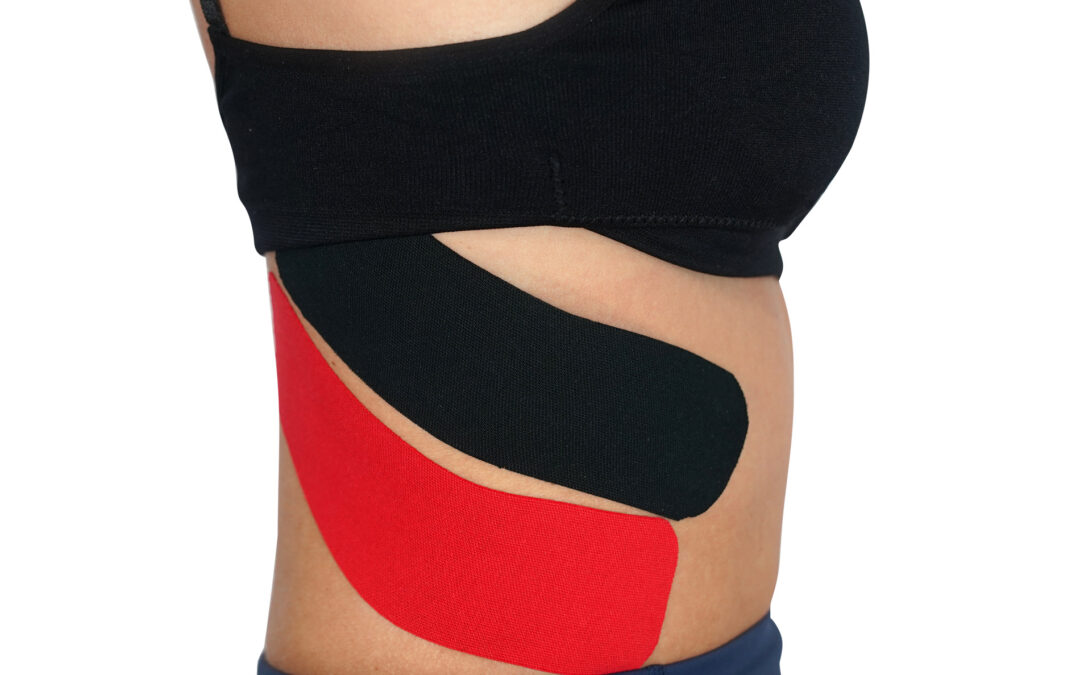
Kinesiology Taping (K-Taping): Properties, Clinical Actions & Why Professional Training Matters

Kinesiology Taping (K-Taping) has become one of the most recognised therapeutic taping methods in modern rehabilitation and sports therapy. Seen across elite sport, private practice clinics and NHS settings, kinesiology tape is valued for its ability to reduce pain, support movement, enhance neuromuscular control and facilitate recovery — without restricting range of motion.
For clinicians searching online for kinesiology taping courses, K-Taping CPD training, sports taping certification, or strapping and taping courses in the UK, understanding both the theory and practical application is essential.
What Is Kinesiology Taping?
Kinesiology taping is a therapeutic taping method developed by Dr. Kenzo Kase in the 1970s. Unlike rigid athletic tape, K-Tape is:
- Elastic (stretching up to 140–180% of its original length)
- Lightweight and breathable
- Designed to mimic the elasticity of human skin
- Worn for several days at a time
Its primary goal is to support the body’s natural healing processes while allowing full functional movement.
Key Properties of Kinesiology Tape
1. Elastic Therapeutic Support
K-Tape stretches longitudinally, enabling:
- Dynamic joint movement
- Muscle facilitation or inhibition
- Functional rehabilitation support
2. Skin-Lifting Effect
When applied correctly, the tape gently lifts the skin, which may:
- Improve local circulation
- Reduce pressure on nociceptors
- Support lymphatic drainage
3. Lightweight & Comfortable
Patients can:
- Wear it during sport
- Shower with it
- Maintain daily activity without restriction
How Kinesiology Taping Works (Clinical Actions)
✔ Pain Modulation
Through stimulation of cutaneous mechanoreceptors, K-Taping may:
- Reduce pain perception
- Alter sensory input
- Improve patient comfort during movement
✔ Neuromuscular Facilitation
Depending on direction and tension, tape can:
- Facilitate underactive muscles
- Inhibit overactive muscles
- Improve proprioceptive awareness
✔ Lymphatic & Swelling Support
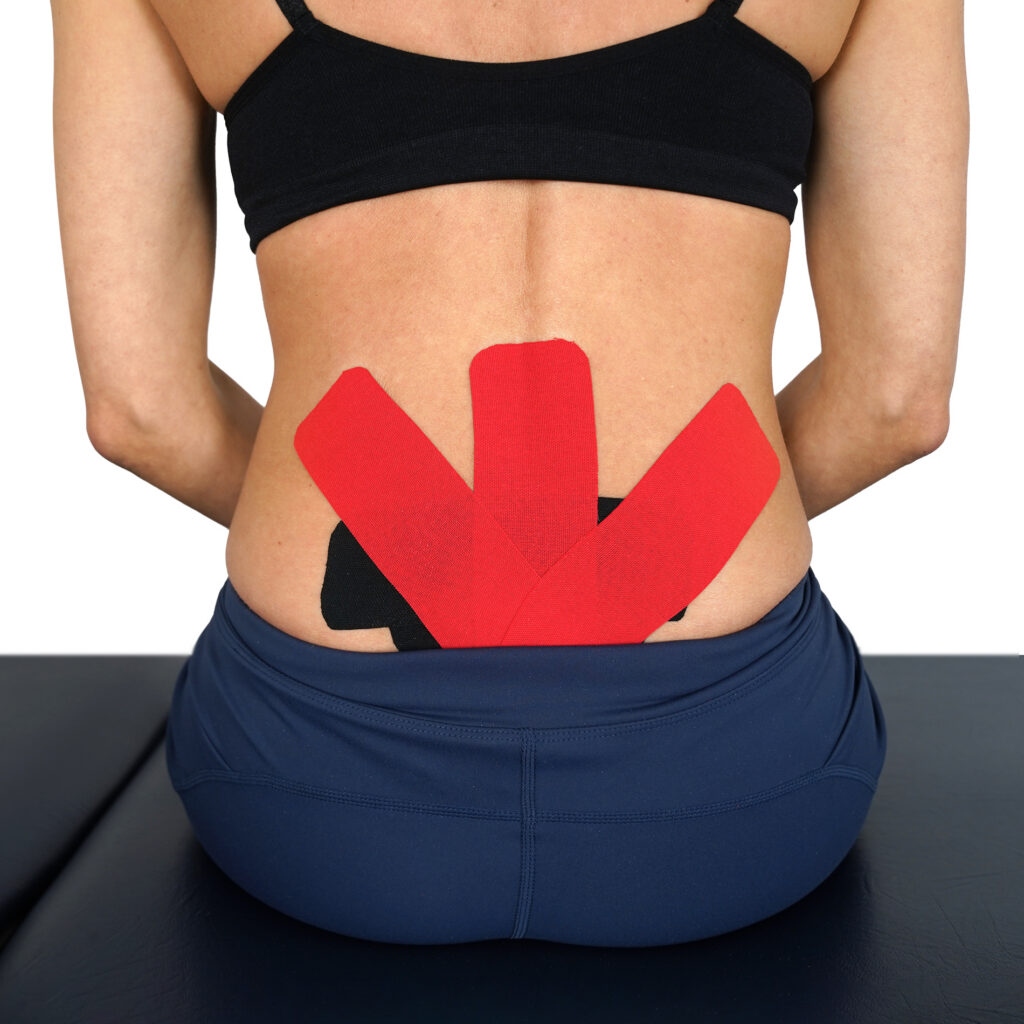
Fan and web techniques are commonly used to:
- Support oedema management
- Encourage lymphatic flow
- Reduce post-injury swelling
✔ Postural Re-education
Strategic application helps:
- Reinforce improved movement patterns
- Provide tactile feedback
- Enhance motor control
Clinical Benefits in Rehabilitation
Kinesiology taping is widely used in:
- Shoulder impingement
- Patellofemoral pain
- Ankle sprains
- Lower back pain
- Tendinopathies
- Post-operative recovery
🔹 Early-Stage Injury Management
Tape provides:
- Gentle support
- Pain relief without immobilisation
- Confidence to move
🔹 Movement Retraining
As part of a comprehensive rehabilitation programme, K-Tape:
- Enhances proprioceptive feedback
- Reinforces corrective exercise
- Supports graded loading
🔹 Patient Engagement
Many patients report:
- Immediate symptomatic relief
- Increased body awareness
- Greater confidence returning to activity
Kinesiology Taping in Injury Prevention & Sport
In sports environments, K-Taping is commonly used to:
- Support fatigued muscles
- Enhance proprioception
- Reduce overload risk
- Assist return-to-play transitions
It integrates effectively alongside:
- Strength & conditioning programmes
- Manual therapy
- Biomechanical assessment
- Functional rehabilitation planning
For therapists looking to expand into sports taping for athletes, Kinesiology Taping is a highly versatile addition to your clinical toolkit.
Why Attend a Professional Kinesiology Taping Course?
While tape may look simple to apply, clinical effectiveness depends on:
✔ Correct tension selection
✔ Directional application principles
✔ Patient assessment and reasoning
✔ Understanding indications and contraindications
A structured kinesiology taping course provides:
- Evidence-informed theory
- Hands-on practical learning
- Clinical application frameworks
- Integration into rehabilitation planning
- Recognised CPD certification
If you’re searching for:
- Kinesiology taping course UK
- K-Taping CPD course
- Sports taping training
- Strapping and taping certification
- Taping course for physiotherapists
- Rehabilitation taping CPD
- Taping Course
Professional training ensures safe, confident and effective practice.
Expand Your Professional Skill Set
Adding Kinesiology Taping to your services allows you to:
- Improve patient outcomes
- Offer visible, value-added treatment
- Enhance rehabilitation compliance
- Differentiate your clinic
- Increase professional credibility
Clinicians trained in K-Taping frequently report:
- Faster pain reduction
- Better exercise tolerance
- Stronger patient engagement
- Increased referrals for sports injury management
Learn Kinesiology Taping with CPD Today
At CPD Today, our Strapping and Taping Courses provide comprehensive training in:
✔ Kinesiology Taping principles
✔ Muscle facilitation and inhibition techniques
✔ Lymphatic taping applications
✔ Postural correction strategies
✔ Clinical reasoning and rehab integration
✔ CPD-accredited certification
Our courses are ideal for:
- Physiotherapists
- Sports Therapists
- Osteopaths
- Chiropractors
- Rehabilitation Professionals
- Personal Trainers
Ready to Advance Your Taping Skills?
If you’re looking to:
- Master Kinesiology Taping techniques
- Deliver better rehabilitation outcomes
- Gain recognised CPD certification
- Enhance your sports injury management skills
- Stand out with advanced taping expertise
👉 Book your place today with CPD Today
🌐 Visit: www.cpd-today.co.uk
Spaces are limited to maintain high-quality practical learning.
CPD Today – Elevating Clinical Practice Through Expert Training.